Traffic at rush hour, a next-door neighbor's weekend tasks, jets on method, the subwoofer from three houses down. The modern-day soundscape slips inside unless you construct an intentional obstacle. Great windows do more than keep out drafts and rainfall, they manage sound. Not completely, and not by magic, but with physics, cautious specification, and regimented setup. I have actually replaced hundreds of systems in busy hallways, near railway, and under trip paths, and the difference in between a quiet area and a still-buzzy one typically boils down to information many people never ever see as soon as the trim returns on.
This overview focuses on making the right selections before and during home window setup so your financial investment really settles in decibels. The construction of the home window matters, however the frame-to-wall user interface and the glazing-to-sash links are where sound loves to sneak with. An appropriate item, badly set up, can perform worse than a mid-grade home window set up to a high standard.
How audio makes it through windows
Understanding the typical leakage paths and material habits aids you select the right home window substitute strategy and oversee the work with a sharper eye.

Glass sends sound by shaking as a diaphragm. Slim panes vibrate more conveniently, which brings mid and high regularities inside your home. A single pane acts like a drumhead. Add a second pane with an airspace, and you obtain damping through the entraped gas and the decoupling of panes. Enhance the area, and you move the resonance down. Make the panes different densities, and you break up harmonic reinforcement at any type of one frequency. Laminated glass, which sandwiches a viscoelastic interlayer in between layers of glass, dissipates power as warm, particularly in the mid regularities that make human speech and sirens so intrusive.
Frames behave in a different way by material. Hollow plastic can function as a resonance chamber unless inner chambers are separated. Wood moistens vibration well yet depends on dense types and tight joinery. Fiberglass, being stiffer and a lot more inert, often transmits much less audio with the framework than vinyl of comparable measurements. Aluminum, unless thermally damaged and thoroughly created, can transfer both warm and sound efficiently.
Gaps and lateral paths matter as long as the major setting up. Even a 1 mm gap around a structure can eliminate a large share of acoustic performance, due to the fact that audio complies with the path of the very least resistance. If the air seal at the perimeter is compromised, the Sound Transmission Course (STC) you paid for ends up being a number on a brochure rather than your lived reality.
Reading the numbers that matter
Two ratings turn up often in advertising and marketing: STC and OITC. They are useful, but not in the very same way.
STC focuses on mid to high frequencies, primarily from 125 to 4000 Hz, with an emphasis that matches conversations, television, and several house sounds. OITC expands lower, down to 80 Hz, and weights results to much better show traffic, aircraft, and mechanical roll. If your issue is trucks and trains, OITC tracks what you hear a lot more carefully. If you primarily want to peaceful individuals and canines on the pathway, STC is a respectable indicator.
In the field, I normally target STC 34 to 38 for urban roads with light to modest traffic. For arterial roads, rail, or close-in airport terminal areas, STC 40 and an OITC above 32 start making a genuine damage. Keep in mind those values come from laboratory tests in optimal conditions. Obtaining near to them at home calls for self-displined installation.
Choosing the ideal glass and configuration
Most property owners very first come across the acoustic question as a line thing: upgrade to "acoustic glazing" or not. It is worth breaking down what you in fact get.
A typical dual-pane protected glazing system could be 3 mm glass over 3 mm glass with a 1/2 inch airspace. That assembly will typically test around STC 28 to 30. Updating the interlayer gas to argon helps thermal efficiency, not appear. For noise, you want crookedness or lamination.
An efficient and cost-aware path is uneven glazing: 3 mm outer pane, 5 or 6 mm inner pane, with at the very least 1/2 inch and preferably as much as 3/4 inch of airspace. That shift away from matching densities reduces coincidence dips. In technique, I have seen basic asymmetric IGUs increase the STC to the reduced to mid 30s without changing the frame.
Laminated glass elevates the video game. A 3 mm glass and 3 mm glass lamination with a PVB interlayer acts like a thicker, damped pane. Incorporate laminated glass with an IGU, and you layer benefits. A typical costs setup utilizes a laminated inner pane and a monolithic external pane with a broad airspace. That can get to STC rankings in the high 30s to reduced 40s. If the budget plan enables one costs function, put it into the inner pane as a laminated layer. That is the surface that combines most highly to the area side and has the greatest influence on perceived noise.
Triple glazing is not instantly far better for sound. With three similar slim panes and narrow gaps, you can stack up resonance problems. Triple pane units beam thermally. For acoustics, they aid when the assembly is crooked and consists of lamination. Otherwise, it is a costly method to gain only a couple of points.
Frame material and style choices
Frames established the border problems for the glass. In actual homes I have determined, the framework and sash can make up 20 to 40 percent of the audio leakage, often extra when the glass is exceptional et cetera is not. Select with both sturdiness and mass in mind.
Vinyl remains popular for worth. Look for multi-chamber layouts and welded edges. Avoid light, hollow extrusions that call when touched. Check for compression gaskets around the sash that keep call under minor motion. Inexpensive tilt sashes with loosened resistances are repeat wrongdoers for whistling and rattling.
Fiberglass structures are rigid and steady with temperature swings. Their thickness assists with noise. Lots of high-performing acoustic units pair laminated IGUs with fiberglass frames to excellent effect.
Wood feels warmer, and a thick varieties or engineered lumber structure wets vibration. The weak spot is commonly the weatherstripping and the lasting fit as timber swells and reduces seasonally. A sturdy wood-clad compound can execute perfectly if maintained.
Aluminum has a track record for noise and condensation, but high-grade thermally broken systems with great gaskets can surprise you. In mid-rise buildings with stringent dimension and architectural demands, aluminum might be obligatory. When defined with laminated glass and robust seals, I have actually gauged OITC worths affordable with top fiberglass units.
Hardware and seals decide whether an in theory silent window is quiet on Tuesday nights in February. Multipoint locks pull the sash equally against compression seals. Foam-filled glazing grains lower rattle. Constant, exchangeable gaskets outmatch stick-on tape that dries out.
Retrofit, full-frame, or inserts: picking the right approach
The selection in between insert substitute and full-frame window installment is greater than a budget plan call. It influences the number of lateral paths you can genuinely address.
Insert replacements maintain the existing structure and trim, and glide a new sash and frame into the old opening. This technique is faster and protects interior finishes. The drawback is that you inherit any problems in the initial framework: out-of-square corners, deformed jambs, and covert gaps to the wall surface. On acoustic projects, I use inserts when the initial structure is structurally audio, deep, and currently well air-sealed. I then concentrate on thorough boundary sealing.
Full-frame substitute eliminates the old frame to the harsh opening. This exposes the void to the framing, occasionally an inch or more broad, which is where we can add mass and seal appropriately. In homes constructed prior to the 1990s, I like full-frame when the outside can be patched window pane replacement near me without dramatization. It allows us add backer pole, high-density foam, and acoustical sealer in split fashion that an insert makes difficult to reach.
There is likewise a center path: retrofitting an interior additional window. That is a different glazing panel installed inside the existing window, producing a dual home window system with a larger air void. Done right, with laminated glass and an airspace of 2 to 4 inches, this can beat many premium replacements at reduced cost. It is particularly helpful in historic homes where outside changes are limited. Done inadequately, it looks like an afterthought and hazes up. The airspace, seals, and air vent control make a decision the outcome.
The site analysis that saves you money
Before anyone brings a saw to your casings, walk the room and listen. Sound is seldom consistent. Map the leading resources: roadway to the south, street to the eastern, rooftop fans from a neighboring structure. Keep in mind space feature. A room by the street gets the budget plan concern over a visitor bath on the quiet side. Inside, take a look at the wall surfaces near the windows. Plaster over lath, uninsulated dental caries, or slim event walls can weaken also the very best home window. Occasionally a modest wall surface upgrade in the same space achieves greater than tossing another thousand bucks at glass thickness.
Measure the opening and inspect squareness with a reputable square, not simply a tape diagonally. If the diagonals vary by greater than a quarter inch on a normal window, prepare for shim approach that preserves seal compression without racking the sash. Probe the sill and lower jambs for rot. You can change a home window in a day, then lose the seal over the next year as a soft sill shifts.
If the job spans multiple home windows, take decibel analyses prior to and after the very first one to adjust assumptions. A low-cost noise meter application serves for relative comparisons. Log background levels at the same time of day throughout a week if your area has the usual weekday vs weekend variability. These numbers assist you and your installer adjust the plan after the initial unit.
Installation techniques that make or damage performance
Noise control leans on air control. If air can press through, audio will certainly follow. What maintains one out maintains the other at bay.
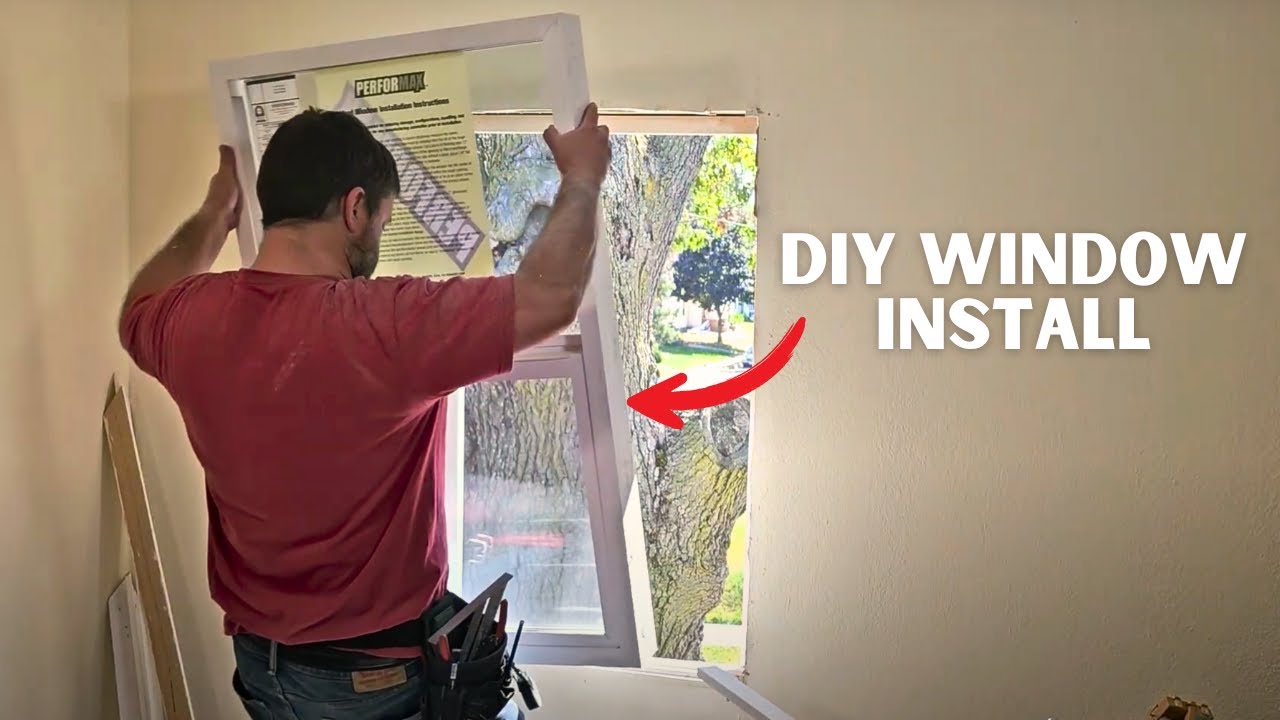
Start with a tidy, plumb, square opening. Fasteners need to anchor the frame without distorting it. I have enjoyed excited teams overdrive screws, bowing a jamb inward by an eighth of an inch. The sash still closes, but the compression seal loosens up in the facility and grows noisy at wind gusts. Tighten up to secure, after that check reveal and sash movement prior to relocating on.
Glazing network and setting obstructs matter. The glass needs to sit on effectively sized neoprene or EPDM blocks, not random shims. Those blocks support the weight and keep the pane from touching the frame directly, which reduces vibration transfer. Plastic shims can rattle over time.
The boundary joint demands a three-part approach: backer rod, sealant, and foam. Backer pole produces the correct shapely form for the sealer grain, so it can bend with seasonal movement without tearing. Acoustic-rated sealants are not the same as basic latex caulks. They continue to be flexible and tacky much longer, which is what you want to maintain an air seal. The can of "acoustic sealant" that never fully cures can be frustrating to take care of, but it works. Between the frame and the rough opening, use a low-expansion, closed-cell foam made for windows and doors. The usual high-expansion can foam can warp structures as it treatments and does not necessarily seal better. In really noisy places, I add a 2nd line of defense by backing the indoor trim with a bead of sealant after the foam treatments and is trimmed.
Weep holes are non-negotiable, and they need to remain open. Lots of acoustic failings trace back to a person sealing over water drainage paths. Water requires a leave. Usage weep frustrates or covers designed by the maker to reduce sideways audio traveling without beating drain. If you are unsure, call the manufacturer associate rather than improvising.
Weatherstripping top quality shows up at the very first gusty storm. Compression seals, not simple brush seals, are your pal for sound. Inspect connection at edges. In sliding systems, look thoroughly at the interlock where the two sashes meet. That joint can be a trumpet for web traffic noise if the interlock gap is wide.
Inside, when you re-install casing, consider the back of the trim. If it sits proud and leaves uneven cavities, treat those as channels. A slim bead of versatile sealant behind the casing, pushed right into location while it is still convenient, shuts those micro-gaps. Do not depend exclusively on paint to fill up them.
Mechanical air flow and condensation control
The quieter and tighter you make a room, the much more you need to think about ventilation. Flow vents are often marketed as a cure-all. For noise-sensitive jobs, they can be a powerlessness. Many basic vents test at OITC numbers in the reduced 20s. If you have to have them to please code or keep history air flow, select acoustically rated vents and position them far from the sound resource when possible. In rooms, I often miss trickle vents and rather incorporate a dedicated, ducted supply or a tiny warm healing ventilator that pulls air via a lined air duct keep up bends and acoustic insulation. In this way, you do not endanger the window's efficiency with a small hole near your ear.
Condensation is the various other concern in peaceful areas. Laminated internal panes run somewhat warmer than monolithic ones due to the interlayer, which assists. Keep family member humidity in check, specifically in winter months. If you add an indoor additional home window, handle the dental caries with tiny, controlled airing vent to the area side or by completely securing it and utilizing desiccant spacers. Entraped dampness without a plan results in misting and mad phone calls.
Cost, value, and where to spend
Clients frequently request for the single best upgrade that provides one of the most obvious reduction. If the existing structures are in good condition, invest in laminated glass for at least the internal pane, after that on precise installment and sealing. That mix generates the largest action change for the dollar.
Price ranges vary by market, however as a ballpark: adding lamination to one pane can include 10 to 25 percent to the glass cost. A completely acoustic IGU with asymmetric, laminated panes may include 30 to half contrasted to a common dual-pane. Fiberglass frames normally price 15 to 35 percent above plastic of similar size. Installment labor climbs up when you demand the slower, cautious sealing actions. The added half day per opening could include a couple of hundred dollars, but it is the distinction between numbers on a spec sheet and a silent night.
Beware of going after a high STC on paper by getting unique glass, then value-engineering the mount. When budgets tighten up, protect the perimeter securing, establishing blocks, and weatherstripping quality prior to you trim glass functions. A well-installed STC 36 window will frequently seem quieter in real use than a poorly sealed STC 40 unit.
Special cases and edge conditions
Every home has traits. Old block with deep returns alters the acoustic game. The mass aids, however the discloses can produce flanking cavities. In those cases, I typically make use of thick backer board or a dual layer of drywall with damping substance on the returns prior to re-installing trim. Mobile homes and light-framed enhancements with slim walls benefit from adding a layer of mass-loaded plastic or a damped drywall layer at the exact same time as the home window work.
Large picture windows behave differently than small double-hungs. The larger the pane, the a lot more it can flex. Laminated panes pay larger dividends at bigger dimensions. Alternatively, tiny operable systems may leak mainly through the sash interface, so focus on locks and gaskets.
If you live under a trip path, low-frequency roll comes to be the enemy. OITC upgrades, wider air voids, and indoor second glazing with a huge tooth cavity, sometimes two to 4 inches, make an actual distinction. You will certainly not remove the lowest bass from a heavy truck or an aircraft on descent, however you can push it below the threshold of nuisance.
Coastal homes face wind-driven rain and salt. Acoustic sealers that never completely remedy can gather dust and crud if subjected. Maintain them behind trim and utilize UV-stable outside sealants on the exterior. On the sea side, I lean toward fiberglass or top notch light weight aluminum frames with laminated glass and corrosion-resistant hardware. The quietest window that stops working window replacement in Austin TX in five years is not a good window.
A sensible install sequence for results
For groups that desire a field-proven order of operations, here is the brief sequence I hand to staffs when noise control is a top priority:
- Verify harsh opening condition, squareness, and sill level. Replace damaged framing or sills. Dry-fit the brand-new framework and inspect reveals. Install sill frying pan or blinking, then established the window on correct shims. Secure without misshaping the frame. Confirm smooth sash operation and constant compression. Place backer pole around the boundary. Apply acoustic sealer at the indoor side. Fill up the continuing to be dental caries with low-expansion, closed-cell foam. After cure, trim foam and add a 2nd indoor sealer grain where trim will certainly cover it.
That series puts air control where you require it, enables seasonal motion, and maintains water relocating exterior. It is straightforward on paper and fussy in reality. The few additional mins invested in backer rod option and bead tooling are not extravagant, but they establish the result.
Vetting an installer when quiet is the goal
Window installment firms vary from "fast and fine" to craftsman-level. When the top priority is quiet, you want teams that reduce in the ideal places. Ask to see cross-sections of the recommended window. Try to find laminated options, crookedness, and gaskets that speak to the sash constantly. Demand both STC and OITC information, not simply one. Ask just how they take care of the border seal: which foam, what backer pole dimension, which sealant, and where each is used. If the salesperson can not answer, ask to talk with the project manager.
On website, a good team will measure each opening, readjust shims to maintain the frame real, and evaluate the locks and seals before insulating. They will avoid blowing up high-expansion foam into the tooth cavity. If they take a few additional minutes to mask and device a tidy interior bead, that is an idea that they appreciate air rigidity as long as appearance.
Aftercare and efficiency checks
Once set up, listen seriously prior to the indoor paint is full. If you hear a whistle on a windy day at the conference rail of a double-hung, ask the crew to readjust the locks or replace a misaligned gasket. Use a scent stick or a smoke pencil around the perimeter on a gusty mid-day. Any visible smoke pull indicates an air leakage worth securing currently as opposed to later.
Over the very first season, screen condensation and moisture. If you included an interior second window and see misting in the cavity, revisit the vent method. Replace used weatherstripping as component of yearly maintenance, particularly on frequently operated devices. Tiny upkeep preserves the acoustic seal.
Where window setup suits a more comprehensive noise plan
Windows are one component of a system. If your walls are uninsulated, the roofing system is a thin membrane, or the door is a light-weight hollow core, audio will certainly discover the weak spot. For several homes, an organized strategy makes sense: begin with the noisiest facade and rooms, treat voids and infiltrations in the same areas, then reassess. In apartment or condos with shared event walls, think about a resilient network or damping layer on the wall opposite the sound source if after new windows you still hear hums and bass.
Still, when website traffic or neighbors dominate the soundscape, updating windows properly supplies an immediate and evident adjustment. During one job on a third-floor walk-up dealing with a bus path, we changed six street-facing windows with fiberglass frameworks and laminated inner panes, after that carried out a belt-and-suspenders border seal. The pre-install ordinary within at heavy traffic was mid 60s dB, coming to a head near 70 when a bus braked. After installment, the same analyses hovered around 48 to 52 dB with optimals to 55. The client might finally hold video phone calls without a headset. That kind of result depends on both item choice and craft.
Final thoughts from the field
A peaceful home really feels various. Conversations soften, sleep deepens, and your interest stops tracking every passing away cars and truck. If you take anything from this overview, let it be this pairing: define laminated, asymmetric glazing matched to your noise resource, and insist on mindful, layered air securing during window setup. Add multipoint locks and continuous compression gaskets for operable units. Do not choke weeps, and do not allow any person pressure high-expansion foam where it can bow the frame.

The rest is judgment. In some cases an indoor second panel defeats removing a historic frame. In some cases the most significant improvement per buck originates from securing a sloppy jamb and changing used weatherstripping. A good installer will certainly assist you choose where to spend and where to hold back.
Quiet is not a mishap. It is constructed, one grain of sealant and one setting block at a time.